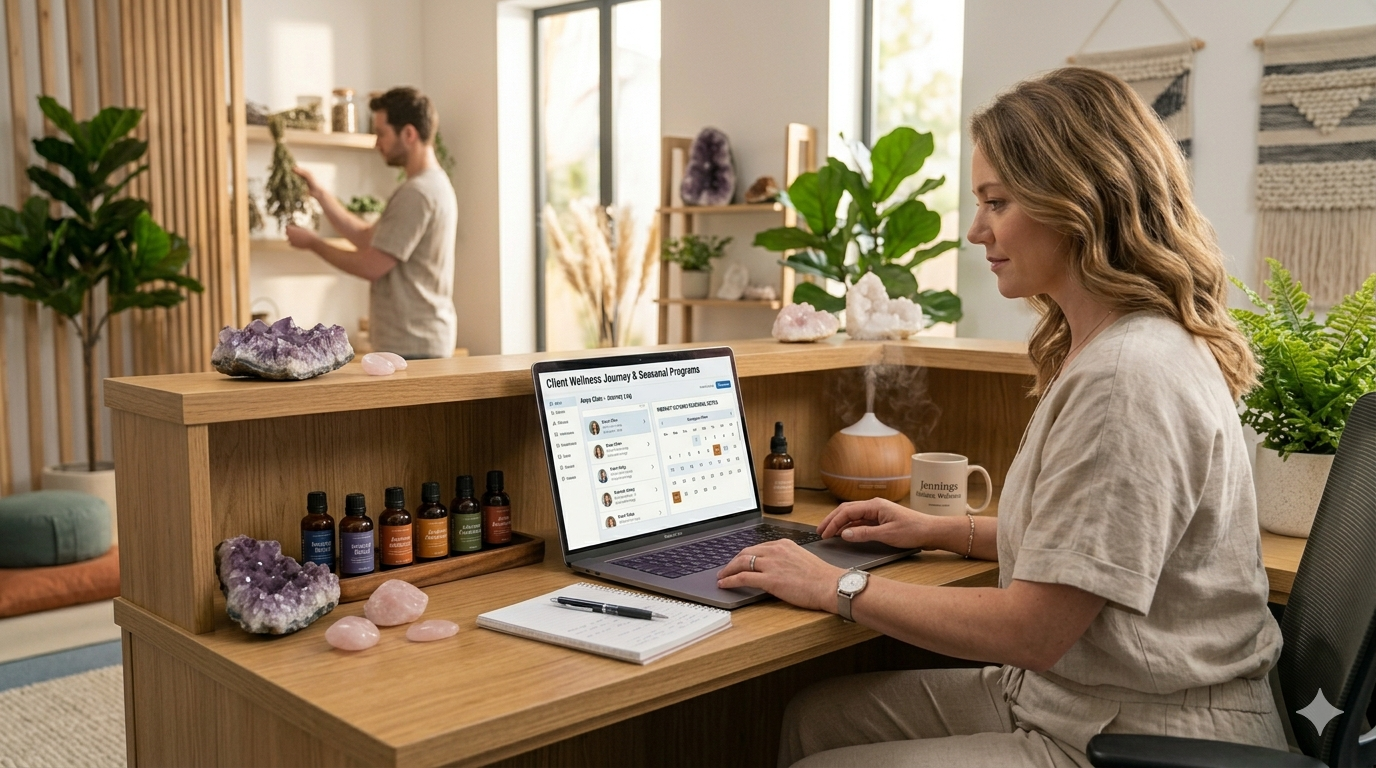
CRM Software for Holistic Care Centres: Keep Clients Coming Back After Treatment
A client books a course of six acupuncture sessions, feels much better by the fourth, finishes the sixth and never comes back. Nothing went wrong. Nobody checked in afterwards, nobody mentioned that the centre’s nutritionist works on exactly the problem she came in with, and by the time the next newsletter went out she’d found a yoga studio closer to home.
Multi-practitioner holistic centres lose a lot of revenue this way: good care, then silence. This guide explains what CRM software for holistic care centres needs to do, the follow-up sequences worth automating (with wording), and which tools fit a small centre versus a larger team, including the data-privacy line you shouldn’t cross.
Editor’s choice for multi-practitioner centres: Zoho CRM
One client record shared by every practitioner, self-booking through Zoho Bookings, and follow-up rules that run after each course of treatment. Free edition for up to 3 users; workflow automation on paid editions.
Where holistic centres lose clients
At the end of a treatment plan. The course finishes, the client feels better, and there is no next step on the calendar. This is the single biggest drop-off point.
Between practitioners. A client sees the massage therapist every fortnight and has never met the naturopath. If each practitioner keeps their own diary and notes, nobody sees the whole relationship, and cross-referrals depend on who remembers to mention a colleague.
Between seasons. January resets, spring programmes and winter stress workshops only bring people back if someone sends the invitation, on time, to the right people.
Work out what it’s worth. If 200 clients finish a course each year and a simple follow-up brings back just one in ten for another course at $400, that’s $8,000 a year from people who already trust you.
What CRM software for a holistic centre needs to do
- One client timeline that every practitioner can see (without exposing clinical notes to people who don’t need them).
- Tags for where each client is: new, in treatment, maintenance, lapsed. Messages should match the stage, not go to everyone.
- Automatic follow-up after a course ends, with a clear next step.
- Cross-modality introductions: a gentle, well-timed note about a complementary service.
- Online booking and reminders, so fewer sessions are lost to no-shows.
- Seasonal campaigns you build once and reuse every year.
Four follow-ups worth automating (with wording)
1. After the first visit (next day)
“Hi [Name], thank you for coming in to see [practitioner] yesterday. How are you feeling today? If anything came up after your session, just reply and we’ll pass it on.”
2. When a course of treatment ends (3 days later)
“Hi [Name], you’ve finished your [six-session] course, well done. Many clients book a maintenance session every [4–6 weeks] to keep the benefits going. Would you like us to hold a time for you? [link]”
3. A complementary service (three to four weeks in)
“Hi [Name], [practitioner] mentioned you’ve been working on [sleep / digestion / stress]. Our [nutritionist / yoga therapist] focuses on exactly that from a different angle. If you’re curious, here’s a 20-minute introductory session: [link].”
Too early feels like a sales pitch; too late and the client has settled into one service. Three or four weeks in is usually about right.
4. Lapsed clients (8 to 10 weeks without a booking)
“Hi [Name], it’s been a little while since we saw you, we hope you’re well. If you’d like to pick up where you left off, [practitioner] has openings next week: [link].”
Which tool fits your centre
Zoho CRM: centres with several practitioners
Zoho CRM gives every practitioner one shared client profile, with separate service lines for acupuncture, massage, nutrition and so on. Paired with Zoho Bookings, clients can book themselves in and get reminders, and workflow rules can trigger the end-of-course and lapsed-client messages above. Permissions let you control who sees what. Not for: a solo practitioner who wants a simple setup this week.
Systeme.io: solo practitioners and programme-led centres
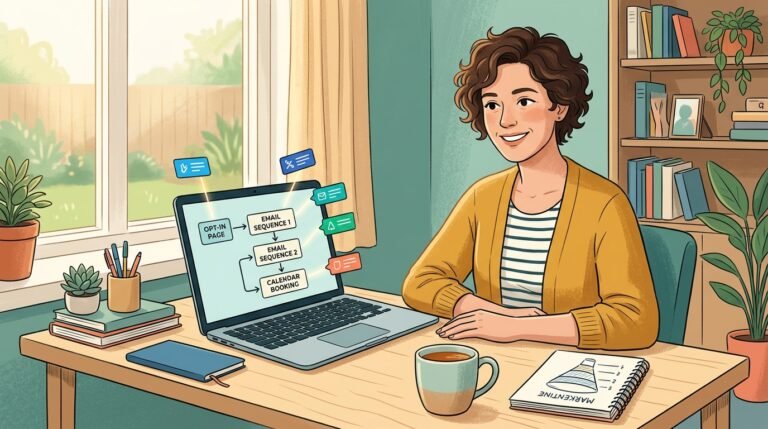
If most of your growth comes from programmes, workshops and email (a January reset, an eight-week course), Systeme.io combines landing pages, email sequences and course hosting, free for up to 2,000 contacts. It handles the post-programme follow-up and seasonal campaigns well. Not for: managing several practitioners’ diaries; pair it with a booking tool.
Pipedrive: centres that sell higher-value programmes
If you sell packages that start with a consultation, Pipedrive shows every enquiry from consultation to enrolment and reminds you who needs a follow-up call. Not for: day-to-day appointment management or anything involving health information.
Ready to bring clients back after their course ends?
Build the end-of-course, cross-referral and seasonal sequences once in Systeme.io and let them run for every client. Free for up to 2,000 contacts.
A note on health information and HIPAA
If your centre is in the US and handles protected health information (clinical notes, diagnoses, insurance billing), those records belong in a system that meets HIPAA requirements and whose vendor will sign a Business Associate Agreement. General CRMs and email tools usually aren’t set up for that on standard plans, and Pipedrive and Systeme.io aren’t built for clinical records. The common, safe approach is to keep clinical notes in a compliant practice-management system and use the CRM only for bookings, marketing and non-clinical follow-up. Outside the US, apply the same principle under your local data-protection rules.
Frequently asked questions
What’s the best CRM software for a holistic care centre with several practitioners?
For most multi-practitioner centres, Zoho CRM with Zoho Bookings is the best fit: shared client records, self-booking and automated follow-up in one place.
Do holistic centres need HIPAA-compliant CRM software?
Only for the systems that store protected health information. Keep clinical records in a compliant practice system and use the CRM for marketing and follow-up that doesn’t include clinical details.
How does a CRM improve client retention?
It makes the follow-ups happen every time: the check-in after a first visit, the next step when a course ends, the introduction to a complementary service, and the note to clients who have drifted away.
Can a small centre afford this?
Yes. Systeme.io’s free plan covers up to 2,000 contacts and Zoho CRM’s free edition covers up to 3 users, so a small centre can automate its email basics and keep client records organised before paying anything. Zoho’s workflow automation comes with the paid editions.
Compare our top picks
Related guides
- CRM for massage therapists
- CRM for nutritionists
- CRM for yoga studios
- Appointment reminder texts that cut no-shows
- Building recurring revenue into a service business
Affiliate Disclosure: This article contains affiliate links. If you sign up through them we may earn a commission at no extra cost to you. It never decides which tool we recommend. See how we test and recommend tools.