CRM for Snow Removal Companies in 2026: Proven Tools to Win Renewals and Manage Storm-Day Dispatch
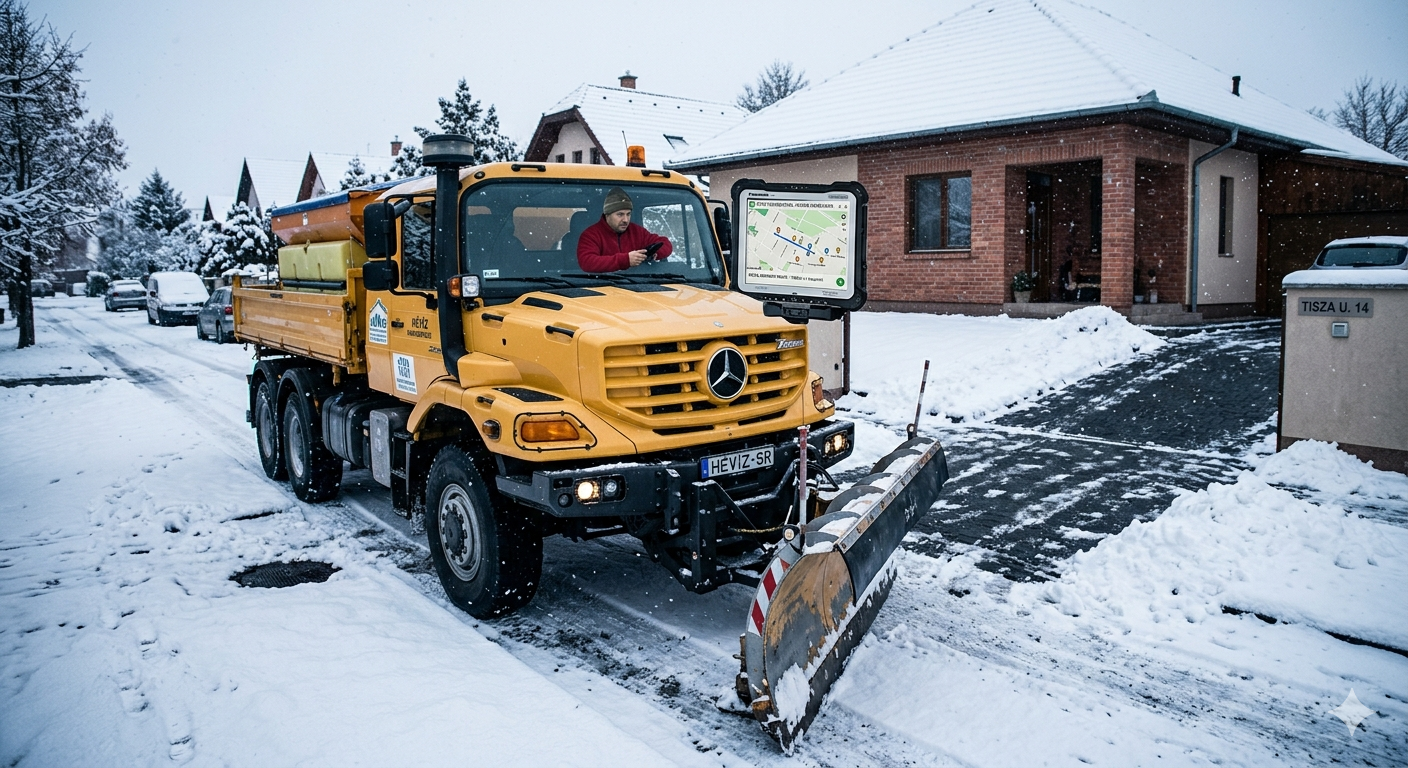
A storm hits at 4am and by 7am the office phone is ringing off the hook with the same question over and over: “are you coming to my driveway today?” Meanwhile the crews are trying to coordinate routes, and every minute spent answering that call is a minute not spent dispatching. The companies that keep clients year over year aren’t the ones with the biggest fleet — they’re the ones who solved this exact bottleneck before the season started.
✓ Try Zoho CRM Free
Free for up to 3 users. Scalable workflow automation for seasonal contract renewals.
The season that matters happens before the snow falls
Snow removal runs almost entirely on seasonal contracts signed in autumn, which means the busiest sales window of the year happens before a single flake has fallen. Without automation, owners are left working a spreadsheet of last year’s clients every September, trying to remember who to call first and which properties were trouble accounts the year before — exactly the kind of thing that should be running itself by now.
Why speed on storm day decides next season’s renewal
Unlike most service businesses, snow removal has a brutally short window where everything matters at once. A storm hits, every client wants to know when they’ll be serviced, and whoever communicates fastest and clearest keeps the contract next season.
An automatic text the moment a storm event is logged — confirming the property’s on the schedule with a realistic service window — prevents the flood of “are you coming?” calls that otherwise eats the exact hours staff need for coordinating crews, not answering the same question fifty times.
Territory-based routing matters just as much. Storm-day requests should route automatically to whichever crew is closest or has the lightest load, not get assigned manually by whoever’s near a phone. Companies running automated dispatch this way consistently see shorter response times during peak events — which shows up directly in next autumn’s renewal numbers.
Real-time status updates carry their own weight too. A client who knows their crew is “en route, 45 minutes” rarely calls the office; one left wondering if they’ve been forgotten does. Most modern platforms can tie an automated status text to a job stage change, so a crew marking a job “in progress” from their phone sends that message without anyone at the office typing a word.
Pricing models change what the CRM needs to do
Seasonal flat-rate contracts are the most common structure — one price for the winter, easy to track, but margin-sensitive in a heavy snow year. Per-event pricing needs tighter logging, since billing depends on accurately recording every storm event per property; a CRM that lets crews log completion from a mobile device in real time avoids the end-of-season scramble to reconstruct who was serviced when.
Per-inch pricing is the most complex to administer and benefits most from integrating a weather data source, so billing reconciles automatically against verified snowfall totals rather than a crew’s memory of how deep it got.
Many companies run a hybrid — a lower flat rate covering a set number of visits, with per-event billing kicking in past that threshold in a heavy winter. This protects margin without overcharging in mild years, but only works if the system tracks visit counts automatically against contract terms rather than someone checking a spreadsheet mid-season.
Platforms worth considering
Zoho CRM — for multi-crew operations
Free for up to 3 users, with territory management suited to running multiple crews across service zones during storm events.
- Free for up to 3 users
- Workflow automation for autumn renewal campaigns
- Territory routing for storm-day dispatch
✓ Try Zoho CRM Free
Free for up to 3 users. Scalable workflow automation for seasonal contract renewals.
Pipedrive — for an active autumn sign-up push
A visual pipeline tracks every prospect from quote to signed agreement during that compressed signup window when most contracts get won or lost.
- Visual pipeline for the autumn signup rush
- Deal rotting alerts so no quote goes cold before the season starts
- From $14/user/month
🔧 Try Pipedrive Free
Visual pipeline to track every seasonal contract quote. From $14/user/month.
Systeme.io — for solo operators on a budget
The free plan handles the renewal email sequence and new client capture at zero monthly cost — a good fit for smaller operations.
- Free plan for up to 2,000 contacts with unlimited emails
- Automated autumn renewal reminder sequences
🚀 Try Systeme.io Free
CRM and email automation for renewal sequences. Free for up to 2,000 contacts.
What the off-season is actually for
The slow months are exactly when equipment maintenance, next-season crew scheduling, and client list cleanup need to happen — and a system only earns its keep if those tasks actually get done rather than neglected once the snow stops.
Tracking which crews and equipment ran which properties last season makes next autumn’s planning easier. If one crew consistently ran behind on a particular route, that’s worth knowing before assigning the same route again — turning each season into a feedback loop instead of a blank slate every October.
The off-season is also the right time to clean up the client list itself. Properties that changed ownership, clients who moved, accounts that went unresponsive during the last renewal push — all easy to spot in spring, before the autumn rush makes that kind of housekeeping impossible. A list cleaned annually converts noticeably better at renewal time than one carrying years of stale contacts.
Getting the renewal timing right
An automated sequence to last season’s clients — “Lock in your spot before [date]” — consistently outperforms waiting for clients to call in. See our guide on CRM for recurring revenue service businesses for the full renewal framework, and the National Weather Service winter safety guidance is worth referencing in storm-preparedness client communications.
Timing matters more than most companies realise. Send too early — July or August — and clients aren’t thinking about winter yet, so response rates stay low. Send too late, after a competitor has already locked the client in, and the renewal is lost entirely. Late August through early September consistently performs best, landing right as clients start seeing the first seasonal cues without waiting long enough for someone else’s outreach to get there first.
Frequently asked questions
What’s the best CRM for snow removal companies?
Zoho CRM suits multi-crew operations needing territory routing. Pipedrive fits an active autumn sales push. Systeme.io is the right call for solo operators wanting automation free.
When should the renewal campaign start?
Late August or early September, well before competitors begin their own autumn outreach.
Can a CRM actually help with storm-day dispatch?
Yes — territory-based routing assigns incoming requests to the nearest available crew, which matters most exactly when volume and urgency are both highest.
How do you track per-event or per-inch billing accurately?
Have crews log completion from a mobile device right after each service, and where possible integrate a weather data source so snowfall totals can be cross-checked against billed amounts rather than relying on memory at season’s end.
Compare our top CRM picks
Related guides
- Best CRM for lawn care companies
- Best CRM for landscapers
- CRM for recurring revenue service businesses
- CRM missed call automation
- Best CRM for service businesses in 2026
Affiliate Disclosure: This article contains affiliate links. We may earn a commission if you make a purchase, at no extra cost to you.